
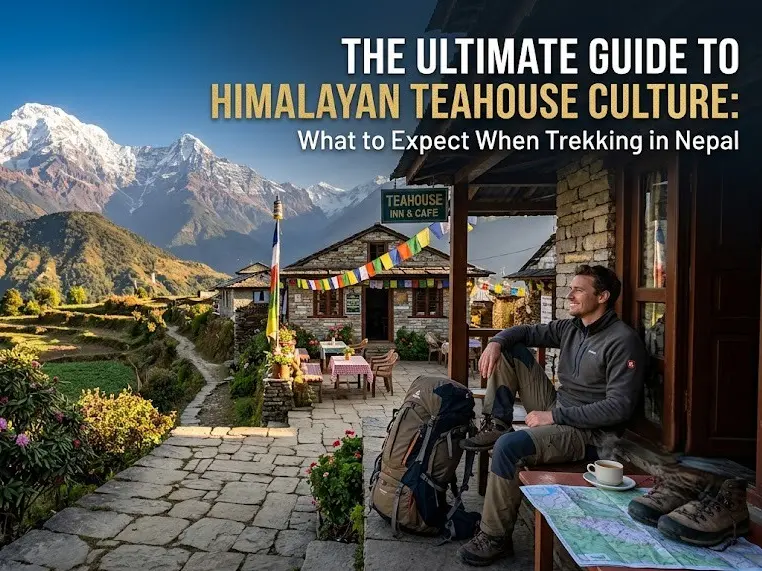
Stepping onto a trekking trail in Nepal is an unforgettable experience. You are surrounded by towering, snow-capped giants, crisp alpine air, and the rhythmic chiming of yak bells. But for first-time trekkers, one major question marks the horizon: What is life actually like when the hiking stops for the day?
In the Everest, Annapurna, and Langtang regions, your home away from home will be the local teahouse. These are small, family-run mountain lodges that offer food, shelter, and a fascinating look into Himalayan culture.
To help you seamlessly transition into mountain life, here is your definitive blueprint to teahouse culture, etiquette, and daily expectations on a Travers Nepal trek.
While every trail varies, a standard day in the mountains follows a beautifully predictable, grounding routine:
Teahouses are designed for functionality, comfort, and shelter—not five-star luxury.
Expect simple, twin-sharing wooden rooms equipped with two single beds, foam mattresses, pillows, and basic linens.
💡Travers Nepal Pro Tip:While teahouses provide blankets, they are rarely enough for the freezing high-altitude nights. We strongly advise bringing a down sleeping bag rated to at least -15°C (0°F to -5°F) for ultimate comfort.
At lower altitudes, you may enjoy en-suite bathrooms or Western-style flushing toilets. However, as you climb past 4,000 meters, facilities become communal. Flush toilets are often replaced by traditional Asian squat toilets, operated by a manual bucket-flush system.
Because pipes freeze overnight, toilet paper should never be flushed; always dispose of it in the trash bins provided in the stalls.
Trekking burns thousands of calories a day, and the teahouse menus are surprisingly diverse to accommodate that. You’ll find everything from porridge and eggs for breakfast to pasta, potatoes, and pizzas for dinner.
However, there is one undisputed king of the trail: Dal Bhat.
| THE POWER OF DAL BHAT |
| "Dal Bhat Power, 24 Hour!" is a mountain motto for a |
| reason. It consists of steamed rice (Bhat), lentil soup |
| (Dal), vegetable curry, greens, and spicy pickles. |
| |
| Best of all? It comes with free refills. If you want to |
| stay energized all day, eat like a local. |
+----------------------------------------------------+
While meat is available on many menus, we highly recommend staying **vegetarian** once you ascend above 3,000 meters. Because the high-altitude trails are sacred, no slaughtering is allowed in regions like the Khumbu. All meat must be carried up by porters or yaks over several days without refrigeration, making it a liability for your stomach.
Operating a lodge in the remote Himalayas is incredibly difficult. Everything from gas canisters to solar batteries must be flown in or carried up on foot. Therefore, amenities we take for granted come with a small, tiered fee as you ascend:
Being a respectful guest helps preserve the beautiful hospitality Nepal is famous for. Keep these golden rules in mind:
1.Keep the Dining Room Warm: The dining room is usually the only heated room in the teahouse, warmed by a central bukhari (stove) fueled by dried yak dung. Keep the doors shut to lock in the heat.
2. Order Where You Sleep: Teahouse owners make very little profit on the room rates; their primary income comes from the food. Out of courtesy, always eat breakfast and dinner at the lodge where you are staying.
3. Keep Your Footwear in Check: Never wear muddy trekking boots into the bedrooms or onto carpeted dining areas. Bring a lightweight pair of indoor sandals or warm down-booties to wear inside.
4. Be Mindful of Water Consumption: Water is a scarce resource up high. Don't leave taps running, and use eco-friendly biodegradable soap if you are washing your hands or face.
Living in a teahouse strips away the distractions of modern life, allowing you to connect truly with the mountains and your fellow adventurers. When you trek with Travers Nepal, our experienced guides handle all lodge bookings, food arrangements, and health checks, leaving you free to absorb every single moment of the journey.
Have questions about what to pack for your upcoming trek? Check out ourUltimate Trekking Equipment Guide or drop a comment below!

The weather in Nepal 2023 can vary greatly depending on the region and the time of year. Nepal has a diverse range of climates, ranging from tropical...
Trekking in Nepal: An Adventurer's ParadiseNepal is a paradise for trekkers, offering some of the most stunning landscapes and challenging trails in t...

Nepal, a land of breathtaking landscapes and vibrant culture, serves as a paradise for travelers seeking unique and enriching experiences. From the ma...

